White label app development with me runs $40K–$180K: the low end covers converting an existing app into a brandable platform with a handful of tenants, the high end covers building a multi-tenant product with automated per-client build pipelines from scratch. I bring 20+ App Store launches — directly relevant, since white label means shipping many stores listings from one codebase — plus 7+ years of production delivery and Top Rated status on Upwork with $100K+ earned and verified client reviews. Scoping starts with the two questions that shape everything: how much can each client customize, and who owns the developer accounts?
White label is a force multiplier with sharp edges: one codebase becomes ten branded apps and ten revenue streams, or ten diverging forks and ten maintenance nightmares — the architecture decides which. The build is as much release engineering as app development, because shipping the tenth brand must cost hours, not weeks.
Weekly demos, async Slack updates, production standards.
04
Ship
Store launch, documentation, knowledge transfer.
Engagements this covers
Turning one successful app into a sellable platform
A company built an app for its own business — gyms, salons, delivery, events — and competitors keep asking to buy a branded version. I restructure the codebase into a tenant-configurable platform: theming, feature flags, and content driven by per-client configuration, with an automated pipeline that assembles and submits each brand's build. Selling to the next client becomes onboarding, not engineering.
A white label platform drowning in forks
An agency cloned its app repository for each new client, and now eight forks have drifted apart — every bug is fixed eight times and some clients are three versions behind. I merge the forks back into one codebase with a configuration layer capturing each client's genuine differences, then rebase all tenants onto it. Maintenance cost falls to a single surface and stranded clients catch up to current.
Greenfield multi-tenant product for a niche
A founder is selling branded apps into a vertical — one backend, one codebase, each customer getting their own logo, colors, and App Store presence. I build the platform tenant-first: multi-tenant data isolation, a configuration schema defining what clients may customize, and store submission automation. The economics work because marginal cost per new client approaches setup effort rather than development effort.
The architecture that makes white label profitable
The entire business case rests on one property: adding a client must not add engineering. That means a single codebase where every difference between brands lives in configuration — theme tokens for colors and typography, asset bundles for logos and imagery, feature flags for tier differences, remote config for content — and nothing client-specific lives in the code itself. The moment someone patches one client's build directly, you have started growing a fork, and forks compound like debt.
Equally load-bearing is the build pipeline. Producing a client's app — correct bundle ID, icons, splash screens, signing credentials, store metadata — must be an automated job driven by that client's config, not an engineer's afternoon of find-and-replace. I treat the pipeline as a first-class deliverable with the same care as the app, because at tenant ten it is the difference between a product business and a body shop.
The App Store problem nobody warns you about
Apple actively polices repackaged apps: their guidelines target templated and thin-variation submissions, and white label apps rejected under those rules are a routine story. This is survivable, but only if you plan for it. The practical rules: each client's app should ship from that client's own Apple Developer account, not dozens of near-identical apps from yours; each listing needs genuinely distinct metadata, screenshots, and branding; and each variant should carry real client-specific content and configuration, not a logo swap over identical bytes.
This shapes onboarding operationally — walking each client through developer account enrollment, managing certificates across many accounts, staggering submissions — and it is where my 20+ App Store launches earn their keep. Google Play is more permissive but has its own review sensitivities at volume. A white label vendor who has not shipped through this gauntlet will discover it with your first paying client's launch on the line, which is the most expensive possible classroom.
What drives cost between $40K and $180K
The single biggest driver is customization depth — the axis from reskin to rebuild. If clients change colors, logos, content, and toggle features, the configuration layer is tractable and you sit in the lower half of the range. If clients can demand their own screens, workflows, or integrations, each customization point multiplies testing surface across every tenant, and the platform needs plugin-style extension points, which is serious architecture. Decide this boundary commercially before I build it technically, because it is your pricing model.
Other drivers: converting an existing app versus greenfield (conversion means untangling assumptions baked in when there was one brand), tenant data isolation requirements, how automated onboarding must be — a founder-operated setup script versus a self-service client portal are different products — and launch tenant count, since each store presence adds real per-client work. The pipeline itself is roughly a fifth of the budget and the best-spent fifth.
Mistakes that kill white label economics
The fatal one is fork-per-client, and it always starts innocently: one client needs one urgent tweak, the deadline is tomorrow, so someone branches. Two years later every fix ships N times, clients drift across versions, and the margin the model promised has evaporated into maintenance. The discipline is architectural — customization goes in configuration or it does not go in — and commercial: the contract defines what clients may customize, so sales cannot promise a snowflake the platform cannot express.
Second mistake: pricing white label deals as if marginal cost were zero. Every tenant carries store fees, review cycles, certificate renewals, support, and QA across updates; the platform makes this cheap, not free. Third: shipping all tenants from one developer account until Apple notices. Fourth: skipping the automated pipeline to save budget, which converts every future release into tenant-count hours of manual work — the exact cost structure white label exists to escape.
When white label is the wrong model
If your prospective clients each want materially different products, you do not have a white label opportunity — you have a custom development pipeline wearing a platform costume, and building the configuration layer will cost more than it saves. White label works when the product is genuinely the same and only the brand, content, and feature tier vary. If you have exactly one interested client so far, sell them a custom app and keep the code clean; convert to a platform when the second and third clients materialize, and you will design the configuration layer from real requirements instead of guesses.
Also consider whether your clients need native apps at all: if their users would be equally served by a branded web experience, multi-tenant web is dramatically cheaper to operate than multi-tenant store presence. The store overhead — accounts, reviews, certificates per tenant — is only worth carrying when push notifications, offline use, or store distribution genuinely matter to the end users.
Low-risk to start
✓Fixed-scope proposal first
You approve milestones and a price before any build starts — no open-ended hourly surprises.
✓Working demos every week
You see running software each week, not status reports, so you can course-correct early.
✓One senior owner, no hand-offs
The person who scopes the work is the person who builds it — no junior layers, no agency markup.
✓A track record you can verify
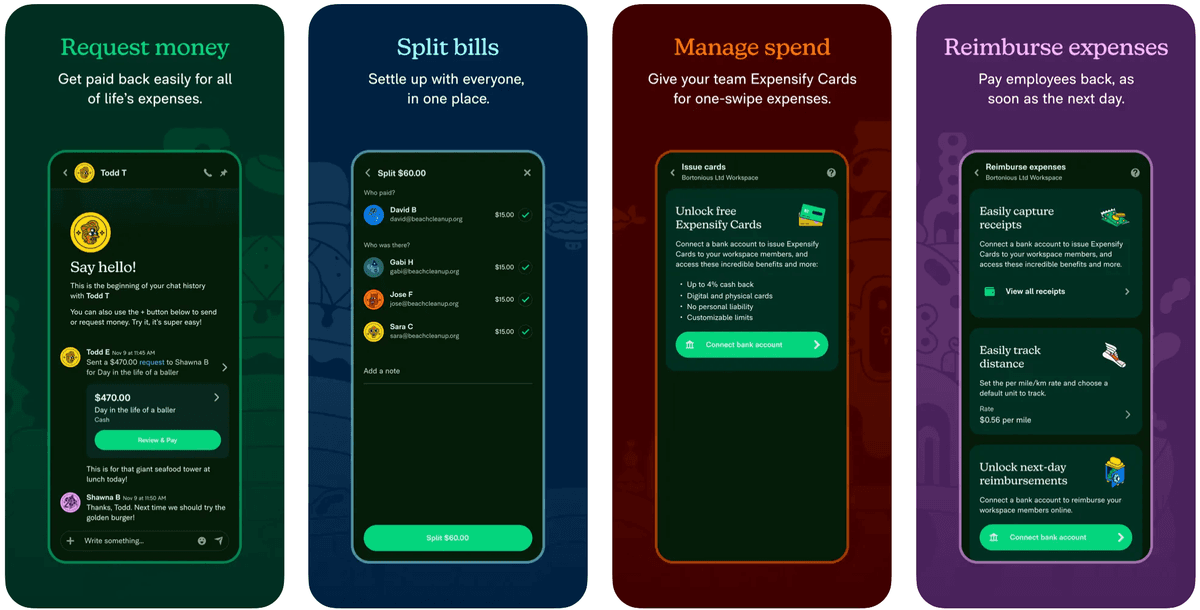
Top Rated on Upwork with public client reviews and $100K+ earned, plus contributions to Expensify. Check the receipts before you commit.
Converting an existing app into a configurable multi-tenant platform typically runs $40K–$90K, including the automated per-client build pipeline. Greenfield white label platforms with tenant data isolation and streamlined client onboarding run $90K–$180K. The dominant cost driver is customization depth — reskin-level branding keeps you at the low end; per-client screens and workflows push you toward the top.
How long does it take to launch each new client's branded app?
On a well-built platform, assembling a new client's app is hours of configuration — branding assets, feature tier, content — plus store lead time: Apple Developer account enrollment and review typically add one to three weeks per client, and each client should publish from their own account to stay clear of Apple's repackaged-app rules. Platform quality shows up precisely in this number staying flat as tenants grow.
Will Apple reject white label apps, and how do I avoid it?
Apple's guidelines explicitly target templated, near-identical apps, and poorly executed white label submissions do get rejected. The proven approach: publish each app from the client's own developer account, give every listing distinct metadata and screenshots, and ensure each variant carries genuine client-specific content and configuration. Built and submitted this way, white label apps pass review routinely — but the strategy must be designed in, not improvised at submission.
How much does white label app development typically cost?
Projects typically fall in the $40K–$180K range depending on scope, integrations, and timeline. I provide a fixed-scope proposal after a 30-minute scoping call.
How long does a white label app development project take?
MVPs often ship in 8–12 weeks. Production systems with AI backends or RAG may run 12–20 weeks. Rescue and audit engagements can start within days.
Do you work with startups and enterprises?
Yes. I work with founders, CTOs, product teams, and agencies worldwide — US, UK, EU, and APAC time zones with async updates and weekly demos.
Can you own mobile and backend together?
Yes. I specialize in React Native + Python (FastAPI) + AI (RAG, agents, OpenAI/Claude) under one senior owner — fewer handoffs, faster shipping.
How do I get started?
Book a free 30-minute scoping call on this site, hire through Upwork, or email dhairyasenjaliya@gmail.com with your brief and timeline.