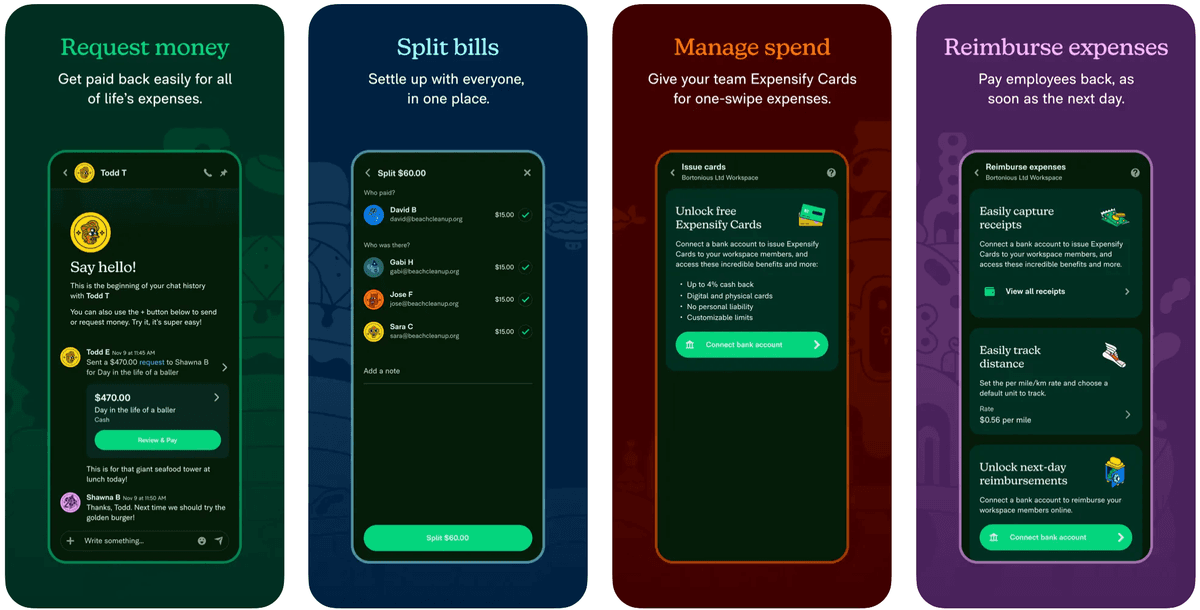
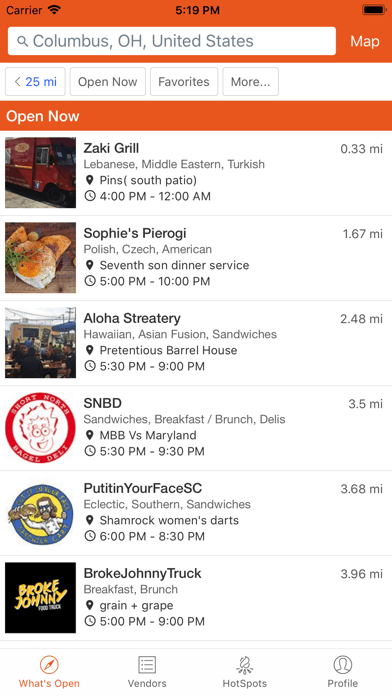
You can hire me as a senior React Native developer for full product builds, feature work, or rescues of struggling codebases, with typical engagements ranging $25K to $150K depending on scope and duration. I bring 20+ App Store launches, 7+ years of production React Native delivery, and 50+ merged pull requests to Expensify as a Guest Engineer — one of the largest open-source React Native apps, used by millions. I'm also Top Rated on Upwork with $100K+ earned and verified client reviews, so my track record is independently checkable. Most engagements start within one to two weeks of scoping.
Hiring a React Native developer is deceptively risky because the framework's low entry bar means the title covers everyone from tutorial graduates to engineers who have shipped at massive scale — and the difference doesn't show up until your app hits real devices, real networks, and real store reviews. Knowing what to screen for matters more than where you post the job.
Weekly demos, async Slack updates, production standards.
04
Ship
Store launch, documentation, knowledge transfer.
Engagements this covers
Founder needs a senior owner for the mobile app
A non-technical founder or small team needs someone to own the mobile product end to end — architecture, build, store launches, and the judgment calls in between. I operate as the senior mobile engineer: weekly installable builds, plain-language trade-off discussions, and both store submissions handled. Outcome shape: a launched app and a codebase a future in-house hire steps into cleanly.
Existing team needs senior React Native depth
A web-strong engineering team owns a React Native app but keeps getting stuck below the JavaScript line — native build failures, performance cliffs, upgrade paralysis. I embed with the team, unblock the native-layer problems, establish upgrade and release discipline, and level up the team's mobile instincts through review. Outcome shape: a team that ships mobile confidently after I leave.
Rescue of an underperforming app or codebase
An app inherited from an agency or departed developer has slow lists, frequent crashes, and a dependency graph nobody dares touch. I audit before promising anything, fix in order of user impact, and modernize incrementally with each release shipped to the stores. Outcome shape: measurably better crash rates and performance within weeks, and a codebase that is no longer a hostage situation.
What separates senior React Native developers from the rest
The dividing line is the native layer. Most React Native work happens in JavaScript, and a mid-level developer handles it fine — until a build breaks after an Xcode update, a library needs patching, a list stutters on mid-range Android hardware, or an OS release changes permission behavior. Those moments are where projects stall for weeks or get rescued in days, and they're exactly what you're paying senior rates to make boring.
The second marker is release scars. An engineer with many store launches has been through app review rejections, staged rollouts that caught a bad release at 5%, crash-spike triage on launch day, and the discipline of shipping fixes when you can't hotfix like the web. That operational judgment doesn't come from building — it comes from launching, repeatedly. When I say 20+ App Store launches and Guest Engineer work at Expensify on an app serving millions, that's the specific competence those credentials point at: not writing React Native, but operating it in production at scale.
How to screen candidates — questions that actually discriminate
Skip trivia and ask questions with production experience embedded in them. First: tell me about a store rejection you've handled — anyone with real launches has stories and process; anyone without them has never shipped. Second: your list of ten thousand items is janky on Android — walk me through the diagnosis. You want to hear measurement first, then specifics about list virtualization and re-render causes, not a guessed library name. Third: how do you decide when to upgrade React Native itself — seniors describe a deliberate cadence and risk assessment, because they've been burned; juniors say they always use the latest.
Then verify shippage: ask for store links to apps they built and what specifically they owned in each. Public review histories on platforms like Upwork are useful precisely because they're not curated — clients write them after the engagement, when there's nothing to gain from politeness. Finally, do a paid trial task before a long commitment: two or three days on a real ticket from your backlog tells you more than any interview round.
Engagement models and what each costs
Three models cover most needs. A fixed-scope project — an app built and launched, a feature set delivered, a rescue completed — is the $25K–$150K range depending on surface area, and it's the right shape when the outcome is definable upfront. You get a spec, milestones, weekly builds, and a completion definition. A fractional retainer — a fixed number of days per week over months — suits teams that need ongoing senior depth without a full-time hire, and typically runs monthly at a rate reflecting senior time. An audit-plus-roadmap engagement is the small entry point: one to two weeks reviewing an existing codebase and delivering a prioritized plan your team can execute with or without me.
What drives the price inside a project: feature surface, backend needs, native-layer depth like offline sync or hardware integration, and polish bar. What doesn't: platform count — with React Native, both iOS and Android are already in the price. When comparing my quote to agency quotes, note what's structural: you get the senior engineer the agency would bill out at multiples, without the pyramid of juniors underneath.
Red flags when hiring for React Native
Portfolio red flags first: no store links, only repos and demo videos — shipping to stores is the hard 20% and its absence is disqualifying for senior roles. All-web resumes rebranded as mobile after a bootcamp — React knowledge transfers, but mobile engineering judgment doesn't arrive in six weeks. Agencies that won't name who actually writes your code, because the portfolio belongs to seniors and the delivery goes to whoever is on the bench.
Process red flags matter just as much. Anyone who quotes a fixed price without asking about your backend, your design status, and your device support floor is guessing, and their guess protects them, not you. Anyone who promises identical pixel-perfect behavior on both platforms with no caveats hasn't shipped both. And anyone who can't explain how you'd fire them safely — documentation standards, CI you own, credentials in your accounts — is building a dependency, not a product. A senior contractor should make their own replaceability a feature of the engagement; I put codebase handover and your ownership of all accounts in scope by default.
When you should not hire a React Native developer
If your product's core is heavy AR, console-grade gaming, or an experience built around deep single-platform OS integration, hire native specialists — React Native would fight you on exactly the features that matter most. If you have no backend, no designs, and no validated idea, a developer is premature: spend first on validating demand and a design sprint, because code is the expensive way to discover your flows are wrong. I sometimes redirect early founders to a one-week scoping engagement instead of a build for exactly this reason.
Also be honest about whether you need a contractor or an employee. If mobile is your company's core product and you're funded for it, a senior full-time hire compounds in ways a contractor can't — and the right contractor engagement then is a defined one: build to launch, establish the architecture, and hand over to that hire. That's a healthy pattern I've done repeatedly: contractor builds the foundation and the first releases, the in-house team inherits a working system with CI, docs, and momentum rather than a blank repo and a deadline.
Low-risk to start
✓Fixed-scope proposal first
You approve milestones and a price before any build starts — no open-ended hourly surprises.
✓Working demos every week
You see running software each week, not status reports, so you can course-correct early.
✓One senior owner, no hand-offs
The person who scopes the work is the person who builds it — no junior layers, no agency markup.
✓A track record you can verify
Top Rated on Upwork with public client reviews and $100K+ earned, plus contributions to Expensify. Check the receipts before you commit.
How much does it cost to hire a React Native developer?
Senior project-based engagements typically run $25K to $150K — a focused MVP with an existing backend at the lower end, full products with backend, offline capability, and high polish at the top. Fractional retainers for ongoing senior support price monthly by days per week. Hourly rates for senior React Native talent vary widely by region; verified track records like store launches and public client reviews matter more than the rate itself.
How do I know if a React Native developer is actually senior?
Ask for store links to apps they shipped and what they owned in each — launches are the credential, repos are not. Probe the native layer: how they debug a broken iOS build, fix Android list jank, or decide when to upgrade React Native. Seniors answer with measurement and specific process. Check independently verifiable signals like platform review histories, and run a short paid trial task before committing.
Should I hire a freelance React Native developer or an agency?
A senior freelancer suits defined products and rescues: you get the actual senior engineer, direct communication, and typically 40–60% lower cost than agency rates for the same seniority. An agency fits when you need several parallel workstreams — design, backend, mobile — under one contract and can absorb the overhead. The failure mode to avoid in both cases is seniors selling the work and juniors delivering it; ask who writes the code.
How much does hire react native developer typically cost?
Projects typically fall in the $25K–$150K range depending on scope, integrations, and timeline. I provide a fixed-scope proposal after a 30-minute scoping call.
How long does a hire react native developer project take?
MVPs often ship in 8–12 weeks. Production systems with AI backends or RAG may run 12–20 weeks. Rescue and audit engagements can start within days.
Do you work with startups and enterprises?
Yes. I work with founders, CTOs, product teams, and agencies worldwide — US, UK, EU, and APAC time zones with async updates and weekly demos.
Can you own mobile and backend together?
Yes. I specialize in React Native + Python (FastAPI) + AI (RAG, agents, OpenAI/Claude) under one senior owner — fewer handoffs, faster shipping.
How do I get started?
Book a free 30-minute scoping call on this site, hire through Upwork, or email dhairyasenjaliya@gmail.com with your brief and timeline.