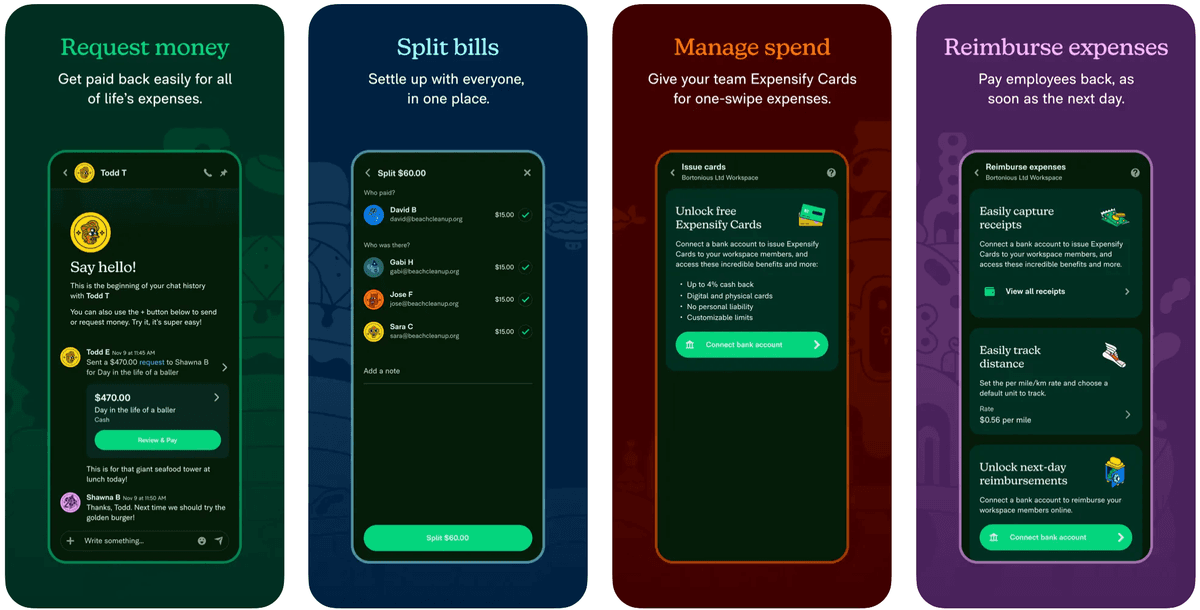
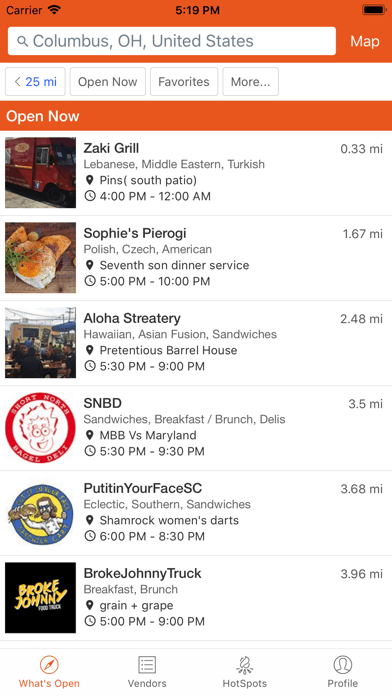
I work as a fractional CTO for startups — owning technical strategy, stack decisions, vendor and agency oversight, and hiring support at a weekly cadence — with engagements typically running $10K–$50K depending on hours and duration. I bring 7+ years of production delivery, 20+ App Store launches, experience as a Guest Engineer at Expensify, and a Top Rated Upwork track record with $100K+ earned and verified client reviews — meaning the advice comes from someone who still ships, not someone who stopped building years ago. Most engagements run three to nine months at a few hours to a day per week, ending either at a full-time CTO hire or a self-sufficient team.
Non-technical founders lose startups to technical decisions they didn't know they were making: the wrong stack, an unsupervised agency, a mis-hire, an architecture that can't survive the roadmap. Fractional CTO consulting exists to put experienced technical judgment in the room at the moments it's cheap — before the decision — without the $250K+ commitment of a full-time executive the company doesn't need yet.
Weekly demos, async Slack updates, production standards.
04
Ship
Store launch, documentation, knowledge transfer.
Engagements this covers
Non-technical founder building with an agency
A founder is paying an agency to build their product and has no way to judge what they're getting. I review the agency's architecture, code quality, and estimates, sit in on technical calls as the founder's side of the table, and catch problems while they're change-requests instead of rebuilds. Outcome: an agency that performs better because someone qualified is watching, and a founder who understands what they own.
Pre-seed startup making its first technical bets
A founding team is choosing its stack, scoping its MVP, and deciding what to build versus buy — decisions that will either compound or haunt. I run these choices with them: simplest architecture that survives the roadmap, ruthless MVP scope, AI features where they're real leverage rather than fashion. Outcome: a technical foundation sized for learning speed, documented in decision records the next engineer can inherit.
Funded startup preparing to hire and scale
A post-seed company needs to hire its first engineers, survive technical due diligence at the next round, and get delivery predictable. I design the hiring loop and help evaluate candidates, clean up the diligence-facing story — architecture docs, security posture, ownership of accounts and IP — and install a lightweight delivery process. Outcome: a team that hires well and a data room that doesn't scare investors.
What a fractional CTO engagement covers
The scope is the technical decisions a startup can't afford to get wrong, at a cadence that matches how fast they arrive. Concretely: stack and architecture choices with written reasoning; build-versus-buy calls, including honest ones about AI features; oversight of any agency or contractors — reviewing their code, their estimates, and their invoices with a builder's eye; hiring support from job spec through technical interviews; and the operational spine of good engineering — repo and account ownership, deployment hygiene, security basics, and enough process to make delivery predictable without drowning a tiny team in ceremony.
What it deliberately isn't: full-time execution. I write code in this role only in small, unblocking doses — a prototype to de-risk a decision, a review that teaches. If the engagement's real shape is 'we need someone to build the product,' that's a development engagement, and I'll say so rather than bill advisory rates for it.
How the engagement runs and what it costs
The standard shape is a weekly cadence — a standing call, async availability for decisions that can't wait, and a monthly written review of technical health a founder can forward to investors verbatim. The first two weeks front-load an audit: whatever exists (code, vendors, accounts, infrastructure spend) gets read and inventoried, because advice given before that is guessing. Within the $10K–$50K range, cost tracks hours and duration: a few hours weekly for a quarter sits at the bottom; a day a week across three quarters, or heavy phases like a hiring push or diligence prep, reach the top.
Two structural commitments keep it honest. Everything of consequence gets written down — decision records, vendor assessments, hiring rubrics — so the value survives the engagement. And the engagement is designed to end: at a full-time CTO hire I help you make, or at a team that no longer needs the training wheels. A fractional CTO who plans to be permanent is misdefining the role.
Mistakes founders make with technical leadership
The most expensive is hiring a full-time CTO before the company needs one — a $250K+ commitment plus equity for a role that, pre-product-market-fit, is often a few hours a week of good judgment plus strong execution underneath. The reverse mistake is going without any technical judgment at all and letting an agency self-grade: the agency picks the stack that suits the agency, estimates approve themselves, and the founder discovers at handoff that they own accounts they can't access and code no one else can run.
Other patterns I see repeatedly: chasing AI features because the deck needs them rather than because a workflow does; scoping MVPs by everything the vision requires instead of the minimum the next milestone requires; and treating IP and account ownership as paperwork — until the diligence process at the next round makes it existential. Every one of these is cheap to prevent and brutal to unwind, which is the entire economic case for this service.
How to evaluate a fractional CTO
First filter: do they still build? Technology moves fast enough that advice from someone five years off the tools drifts into theory — ask what they personally shipped in the last year and listen for specifics. My answer includes production React Native, Python, and AI systems, launches under my own name, and a public Upwork record with verified reviews; push every candidate for something equivalently checkable. Second filter: will they say 'don't build that'? Ask what they'd cut from your plan in the first conversation — a fractional CTO who agrees with everything is a cost center with a calendar invite.
Third: incentives. If they're tied to an agency they'd hire, or paid to recommend particular vendors, the advice bends. Fourth: writing. The job's output is decisions your company keeps — ask to see a redacted decision record or vendor assessment from past work. And finally, check that they've defined how the engagement ends; the good ones make themselves unnecessary on purpose.
When you don't need a fractional CTO
If you have a strong technical co-founder, you don't need this — you might occasionally want a senior outside sounding-board for big decisions, but that's a conversation cadence, not an engagement. If your product doesn't exist yet and the real need is someone to build it, hire for execution; strategy without anything to steer is expensive planning, and I'd rather sell you the build with the judgment included.
If the company can genuinely fund and attract a great full-time CTO and the technical roadmap is central to the business, do that instead — fractional is a stage solution, not a substitute for committed leadership at scale. And be honest about the co-founder question: a fractional CTO gives you judgment and oversight, but not the round-the-clock ownership and equity-fueled obsession of a technical co-founder. If what your investors are really asking for is the latter, renting the former only postpones the conversation.
Low-risk to start
✓Fixed-scope proposal first
You approve milestones and a price before any build starts — no open-ended hourly surprises.
✓Working demos every week
You see running software each week, not status reports, so you can course-correct early.
✓One senior owner, no hand-offs
The person who scopes the work is the person who builds it — no junior layers, no agency markup.
✓A track record you can verify
Top Rated on Upwork with public client reviews and $100K+ earned, plus contributions to Expensify. Check the receipts before you commit.
How much does a fractional CTO cost for a startup?
Fractional CTO engagements typically run $10K–$50K total. A few hours weekly over a quarter — decision support, vendor oversight, a monthly written technical review — sits at the low end. A day per week across six to nine months, or intensive phases like a hiring push or due-diligence preparation, reach the top. Compare against a full-time CTO at $250K+ plus equity, which most pre-product-market-fit startups shouldn't buy yet.
How many hours a week do I need a fractional CTO?
Most early-stage startups need two to eight hours weekly: a standing call, async availability for decisions that can't wait a week, and document review between sessions. Heavier phases — auditing an agency's delivery, running a hiring loop, preparing for technical due diligence — temporarily need more, closer to a day or two per week. If the ongoing need is genuinely full-time, that's a signal to hire full-time, and a good fractional CTO will tell you so.
Should I get a fractional CTO or a technical co-founder?
They solve different problems. A technical co-founder gives round-the-clock ownership, equity-driven commitment, and someone who builds daily — irreplaceable if technology is the core of your company. A fractional CTO gives experienced judgment, vendor and agency oversight, and hiring support at a fraction of the cost and no equity, which fits when execution is handled but decisions need supervision. Many founders use a fractional CTO precisely to survive the period while searching for the right technical co-founder or first engineering hire.
How much does startup cto consulting typically cost?
Projects typically fall in the $10K–$50K range depending on scope, integrations, and timeline. I provide a fixed-scope proposal after a 30-minute scoping call.
How long does a startup cto consulting project take?
MVPs often ship in 8–12 weeks. Production systems with AI backends or RAG may run 12–20 weeks. Rescue and audit engagements can start within days.
Do you work with startups and enterprises?
Yes. I work with founders, CTOs, product teams, and agencies worldwide — US, UK, EU, and APAC time zones with async updates and weekly demos.
Can you own mobile and backend together?
Yes. I specialize in React Native + Python (FastAPI) + AI (RAG, agents, OpenAI/Claude) under one senior owner — fewer handoffs, faster shipping.
How do I get started?
Book a free 30-minute scoping call on this site, hire through Upwork, or email dhairyasenjaliya@gmail.com with your brief and timeline.