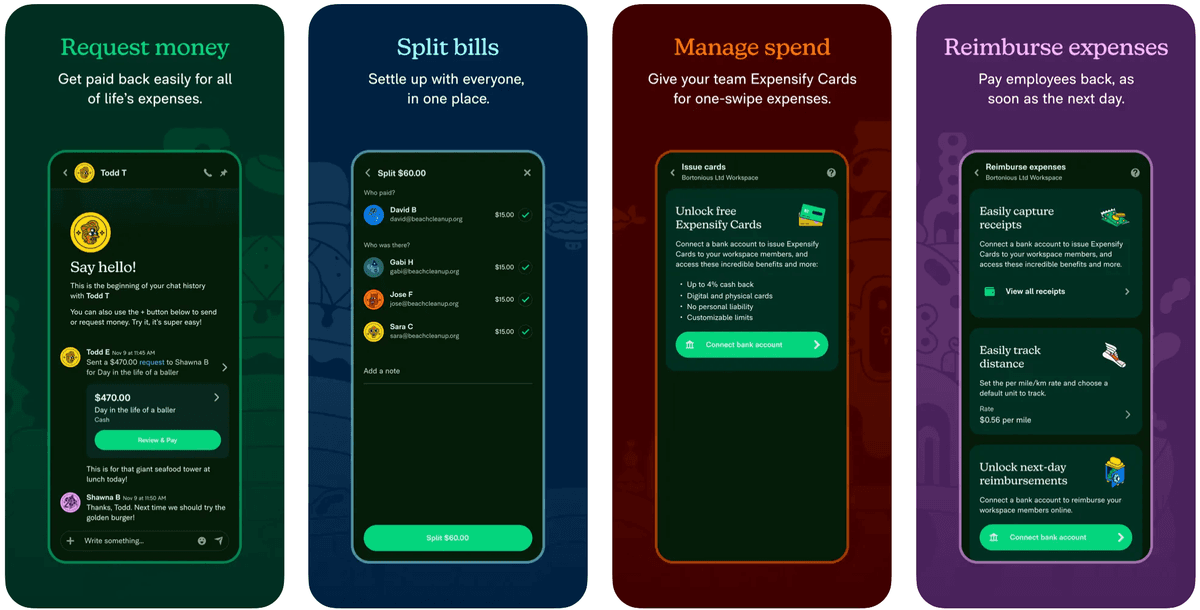
A React Native code audit costs $5K–$25K and takes one to three weeks: I read your codebase, profile the app on real devices, review the native layers and release pipeline, and deliver a prioritized, evidence-backed report your team can execute with or without me. I bring 20+ App Store launches, 7+ years of production delivery, and experience as a Guest Engineer at Expensify to the review, so findings reflect how production React Native actually fails rather than lint-level nitpicks. The low end covers a focused audit of a typical app; the high end covers large codebases, both native layers in depth, or pre-acquisition due diligence with formal reporting.
Companies commission an audit when something feels wrong but nobody can name it — velocity has slowed, crashes climb, or a big decision looms and the codebase is a black box. An audit converts that anxiety into a ranked list of specific, costed problems. It succeeds when every finding carries evidence and a recommended fix, so the report drives action instead of gathering dust.
Weekly demos, async Slack updates, production standards.
04
Ship
Store launch, documentation, knowledge transfer.
Engagements this covers
Due diligence before acquisition or investment
An acquirer or investor needs to know whether a target's React Native app is an asset or a liability before the term sheet firms up. I audit architecture, code health, dependency risk, native-layer state, and bus-factor exposure, and deliver a formal report with a remediation cost estimate — technical truth the deal team can price into the negotiation.
Performance complaints without a diagnosis
Users report the app feels slow, reviews mention lag and crashes, and the team has theories but no evidence. I profile on real low-end and high-end devices, trace startup, navigation, and list performance, and identify the actual causes with measurements attached. The team gets a ranked fix list where each item names its expected impact, instead of another month of guessing.
Inherited codebase before committing a roadmap
A company just took an app in-house from an agency, or hired a new lead who inherited three years of unknown decisions. Before committing to a twelve-month roadmap, I map what is actually there: structural debt, upgrade blockers, fragile areas, and what the previous team quietly left broken. The roadmap gets built on knowledge instead of hope.
What the audit actually covers
Seven layers, each examined with evidence rather than opinion. Architecture: state management, navigation structure, module boundaries, and whether the patterns will survive your roadmap. Performance: profiled on real devices — startup time, frame rates on core screens, list behavior, memory pressure — because "feels slow" becomes fixable only when measured. Native layers: the iOS and Android projects, custom modules, and build configuration where React Native problems hide from JavaScript-only reviewers.
Then dependency health — outdated or abandoned packages and the distance to the current React Native version, which is your future upgrade bill; testing and CI reality versus what the previous team claimed; release pipeline maturity, from signing hygiene to rollback capability; and security basics like token storage, transport, and leaked secrets. You get findings across all seven, ranked by real-world impact, not a checklist score.
Timeline and what you receive
Week one is evidence gathering: repository access, a full read of the codebase, device profiling sessions, dependency and build analysis, and short conversations with whoever currently maintains the app — their pain points are usually accurate leads. Weeks two and three, for larger scopes, go deeper on the native layers and verify suspected problems experimentally rather than reporting hunches.
The deliverable is a written report with three tiers: critical issues that risk crashes, data loss, or store rejection; structural problems taxing every feature you build; and improvements worth batching opportunistically. Every finding includes evidence — a profile, a code reference, a reproduction — plus a concrete recommended fix and rough effort estimate. It closes with a suggested ninety-day remediation sequence, and I walk your team through everything in a working session where they can push back on any finding.
What moves the price from $5K to $25K
Codebase size and age set the floor: a two-year-old app with a moderate feature set audits faster than five years of accumulated decisions across hundreds of screens. Native surface is the second driver — apps with substantial custom native modules need real review time inside the Swift, Kotlin, and build-system layers, which is slower, more specialized work than JavaScript review.
Formality is the third. An internal engineering audit can be direct and informal; due-diligence work for an acquisition needs defensible documentation, effort-costed findings, and sometimes calls with the deal team, all of which add hours. Backend review, if you want the API and infrastructure included rather than the app alone, extends scope accordingly. What never changes with price: every tier gets device profiling and native-layer review, because an audit skipping those is a code-reading exercise wearing an audit's name.
When to commission an audit
Four moments reliably justify one. Before money moves: acquiring, investing in, or taking over an app you did not build — the audit price is rounding error against the decision it informs. Before committing a roadmap: pointing a year of engineering at a foundation nobody has assessed is how twelve-month plans die at month three. When symptoms resist diagnosis: crash rates climbing, velocity sinking, and the team's explanations keep changing — an outside profiler with no stake in past decisions sees what insiders cannot say out loud.
And before a major commitment like a React Native version migration, a re-architecture, or scaling the team: the audit tells you whether the base can carry the weight. The wrong moment is as a weapon — commissioning an audit to build a case against a team you have already decided to fire wastes money on a conclusion you have pre-purchased.
Red flags in cheap audits
The market is full of $1,500 "audits" that are a linter run and a PDF template, and they share tells. No device profiling: if nobody installed your app on a real low-end Android phone and measured it, the performance section is decoration. No native-layer review: JavaScript-only auditors miss the build configuration, native module, and dependency problems where the expensive surprises actually live. Findings without evidence: "state management should be improved" is an opinion; a specific screen, a specific measurement, and a specific fix is a finding.
The subtlest tell is the sales-funnel audit — a report engineered to terrify you into a rebuild contract with the same vendor. Structural independence matters: I am indifferent to whether you execute the fixes with me, your team, or someone else, and the report is written so any competent engineer can act on it. Ask any prospective auditor who fixes what they find, and listen carefully.
What to do with the report
The report's value is realized in the ninety days after delivery, and the failure mode is treating it as a completed ritual. Sequence matters: fix the critical tier immediately — these are crash, data, and store-rejection risks with short fuses — then batch the structural tier into your normal sprint flow, one or two items per cycle, rather than declaring a heroic refactoring quarter that stalls all feature work and gets cancelled halfway.
Use the effort estimates to negotiate scope honestly with stakeholders: the audit gives engineering leadership a costed, evidence-backed artifact for the conversation about velocity versus debt that they have been losing on vibes. Re-measure after remediation — the same profiles, the same metrics — so improvement is provable. And keep the report as a baseline: run a lighter follow-up a year later and you have a trend line on codebase health, which is worth more than any single snapshot.
Low-risk to start
✓Fixed-scope proposal first
You approve milestones and a price before any build starts — no open-ended hourly surprises.
✓Working demos every week
You see running software each week, not status reports, so you can course-correct early.
✓One senior owner, no hand-offs
The person who scopes the work is the person who builds it — no junior layers, no agency markup.
✓A track record you can verify
Top Rated on Upwork with public client reviews and $100K+ earned, plus contributions to Expensify. Check the receipts before you commit.
Between $5K and $25K. A focused audit of a typical app — architecture, device-profiled performance, native layers, dependencies, and release pipeline — sits at $5K–$10K and takes about a week. Large or old codebases, deep native-module review, or formal due-diligence reporting for acquisitions push toward $25K. Sub-$2K offerings are generally automated scans without device profiling or native review, which is where the real findings live.
How long does a code audit take?
One to three weeks. Week one covers the full code read, real-device profiling, and dependency and build analysis; larger scopes add a second and third week for deep native-layer review and experimental verification of suspected issues. You receive the written report plus a live walkthrough session at the end. Your team's total time investment is small — repository access, one kickoff call, and the closing session.
Should I audit my app before rewriting it?
Yes — and expect the audit to argue against the rewrite. Most React Native apps that feel unsalvageable are actually a handful of structural problems taxing everything else, fixable in weeks at a fraction of rebuild cost. Rewrites stall roadmaps for six to twelve months and reliably reintroduce forgotten edge cases. An audit costs a small percentage of a rebuild and tells you with evidence which path is cheaper; buying the rewrite without that evidence is the expensive kind of guessing.
How much does react native code audit typically cost?
Projects typically fall in the $5K–$25K range depending on scope, integrations, and timeline. I provide a fixed-scope proposal after a 30-minute scoping call.
How long does a react native code audit project take?
MVPs often ship in 8–12 weeks. Production systems with AI backends or RAG may run 12–20 weeks. Rescue and audit engagements can start within days.
Do you work with startups and enterprises?
Yes. I work with founders, CTOs, product teams, and agencies worldwide — US, UK, EU, and APAC time zones with async updates and weekly demos.
Can you own mobile and backend together?
Yes. I specialize in React Native + Python (FastAPI) + AI (RAG, agents, OpenAI/Claude) under one senior owner — fewer handoffs, faster shipping.
How do I get started?
Book a free 30-minute scoping call on this site, hire through Upwork, or email dhairyasenjaliya@gmail.com with your brief and timeline.