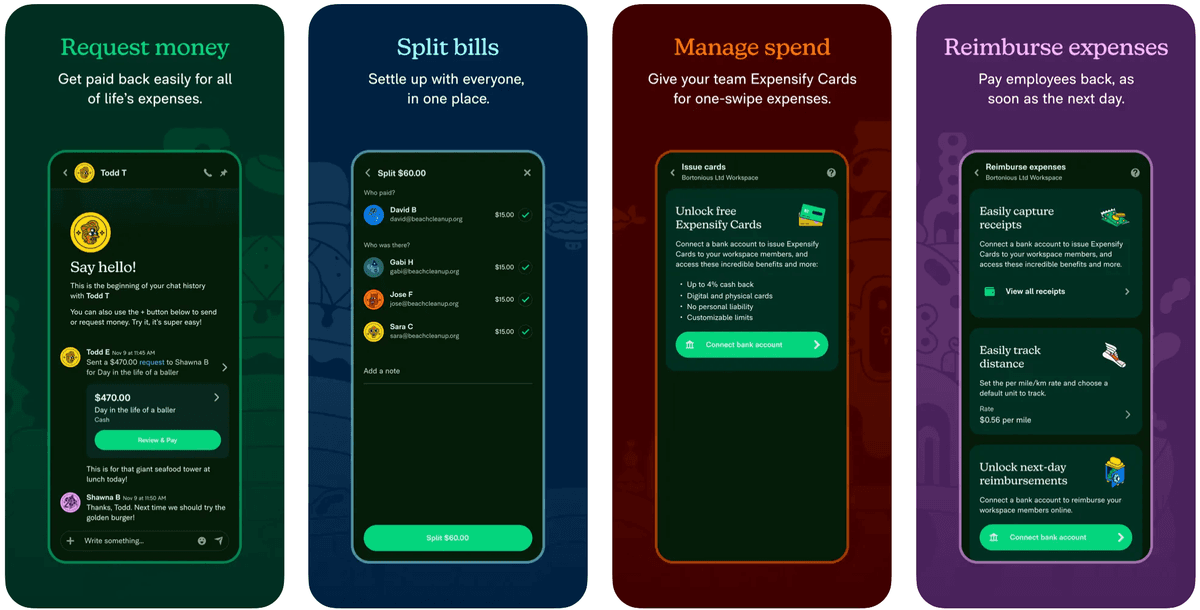
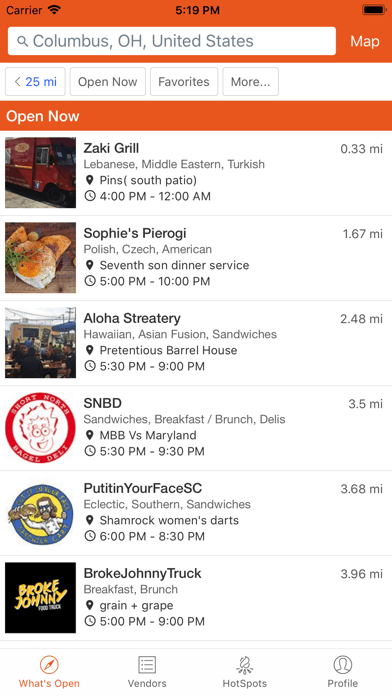
I build proptech apps — property search, listings, agent tools, property management, and tenant experience products — as fixed-scope projects typically between $35K and $150K, with listing-data integration and map-heavy search usually setting the budget more than screen count. I bring 20+ App Store launches, 7+ years of production delivery, and Guest Engineer experience at Expensify, whose platform serves millions of users; I'm also Top Rated on Upwork with $100K+ earned and verified client reviews. Most proptech builds go from kickoff to app stores in 12 to 16 weeks.
Proptech apps live or die on data and search: users judge a property app within minutes on whether listings are fresh, photos load instantly, and map search feels effortless — the exact three things that are hardest to build well. The winning approach treats listing-data plumbing and search performance as the core product, not as infrastructure behind the screens.
Weekly demos, async Slack updates, production standards.
04
Ship
Store launch, documentation, knowledge transfer.
Engagements this covers
Property search app on MLS or portal data
A brokerage or startup wants its own branded search experience instead of sending users to the big portals. I build the listing ingestion pipeline with freshness monitoring, map-based search that stays smooth with thousands of pins, and saved-search alerts that fire fast — because in hot markets, alert speed is the product. Outcome shape: a search experience users prefer over the portal they came from.
Property management platform for landlords and tenants
A property management company runs on phone calls, spreadsheets, and chasing rent. I build a two-sided app — tenants pay rent, file maintenance requests with photos, and message; managers track units, approve requests, and see arrears at a glance — integrated with their existing accounting. Outcome shape: fewer calls, faster rent collection, and a maintenance queue with an audit trail.
Agent productivity tool for a brokerage
A brokerage's agents juggle showings, leads, and documents across six disconnected tools. I build a mobile-first agent workspace — lead routing with instant notifications, showing scheduling, document status, and client communication history — integrated with the CRM they already use. Outcome shape: faster lead response times, which in real estate converts directly to closed deals.
Listing data is the hardest part, and most budgets ignore it
Every property app's foundation is listing data, and getting it is genuinely messy: MLS access involves regional bodies with varying rules and approval timelines, aggregator APIs have per-query costs and licensing limits, and direct feeds from portals or partners come in inconsistent formats with duplicate properties across sources. Deduplicating the same house from three feeds — slightly different addresses, different photos, different prices — is unglamorous engineering that determines whether your app feels trustworthy or broken.
Freshness is the second half of the problem. A listing that shows as available two days after it went under contract destroys user trust faster than any UI flaw, so the ingestion pipeline needs update frequencies matched to your market's pace and staleness monitoring that alerts before users notice. When I scope a proptech project, data source access, licensing status, and update cadence are the first questions — because if MLS approval takes eight weeks in your region, that's your critical path, and the build plan should be sequenced around it rather than discovering it at week ten.
Map search and media performance make or break the experience
Users evaluate property apps against the portals they already use, which set a brutal bar: map search that pans and filters over thousands of listings without stutter, and photo galleries that load instantly on cellular connections. Hitting that bar on mobile requires real engineering — viewport-based loading with clustering so the map only handles visible listings, search backends that return filtered results in tens of milliseconds, and image pipelines that serve device-appropriate sizes with aggressive prefetching of likely-next photos.
This is where mobile craft pays off visibly. Property photos are large, sessions are long, and users swipe through dozens of galleries per session; naive image handling produces memory crashes on exactly the mid-range Android devices a large share of your audience carries. I budget explicit performance passes for map and gallery flows in every proptech build, tested on low-end hardware and throttled networks, because this is the part of the app users touch five hundred times a session. Screens like profiles and settings are commodity work; the map and the gallery are the product.
What drives cost between $35K and $150K
The floor of the range buys a focused single-sided app on one clean data source — a branded search app on an aggregator feed, or a tenant portal against an existing management backend. Three factors pull budgets upward. Data complexity first: multiple listing sources needing deduplication, MLS integrations with compliance requirements, or a market spanning regions with different data rules can add a third to the budget on their own.
Second, sidedness: a two-sided product — tenants and managers, buyers and agents — is nearly two apps sharing a backend, with separate flows, permissions, and notification logic per side. Third, transactional depth: the moment money or legal documents move through the app — rent payments, deposits, lease signing, background checks — you inherit payment compliance, identity verification, document handling, and audit requirements that touch every layer. A search-and-browse app stays lower-mid range; a two-sided platform moving rent payments with maintenance workflows and accounting integration is the $120K–$150K tier. Mapping features, alert infrastructure, and virtual tour integration sit in between as per-feature additions.
Mistakes proptech founders make, and how to avoid them
The most common mistake is speccing the app before securing the data. Founders design beautiful search experiences, then discover MLS access requires broker sponsorship in their region, or the aggregator license prohibits their business model, or per-query API pricing makes their free-app economics impossible. Data access, licensing terms, and cost-per-listing math should be settled before serious development spending starts — it's the first workshop of any engagement I run.
The second mistake is competing with the portals head-on. National portals have thousand-person teams; you will not out-feature them. Successful proptech apps win a wedge — a niche audience, a local market with deeper data, a workflow the portals ignore, or a side of the transaction they underserve, like agents or property managers. The third mistake is underestimating alert latency as a feature: in competitive rental and purchase markets, the app that notifies users of new listings minutes earlier wins them permanently. That's an infrastructure investment — event-driven ingestion and fast push delivery — that should be scoped deliberately, not an afterthought bolted onto a nightly batch job.
What good delivery looks like for a proptech build
By the end of week two you should see the riskiest integration proven: real listings from your actual data source rendering in a rough app, because that's where the unknowns live. Through the middle of the build you get weekly installable builds on both platforms, with the map, search, and gallery flows tested on mid-range devices and slow networks — not just simulator demos. Data quality gets its own dashboard from early on: listing counts by source, staleness distribution, deduplication rates, so problems in the pipeline are visible before users report them.
The final month covers the launch machinery: store listings and review compliance for both stores, crash reporting and analytics segmented by the flows that matter — search-to-contact conversion, alert open rates — plus staged rollout and a post-launch monitoring period. Handover includes the ingestion pipeline's runbook, because listing feeds break in creative ways and your team needs to diagnose a stalled feed without me. A proptech app is a data operation with an interface; delivery is complete when your team can operate both.
Low-risk to start
✓Fixed-scope proposal first
You approve milestones and a price before any build starts — no open-ended hourly surprises.
✓Working demos every week
You see running software each week, not status reports, so you can course-correct early.
✓One senior owner, no hand-offs
The person who scopes the work is the person who builds it — no junior layers, no agency markup.
✓A track record you can verify
Top Rated on Upwork with public client reviews and $100K+ earned, plus contributions to Expensify. Check the receipts before you commit.
Production proptech apps typically run $35K to $150K. A branded search app on a single clean listing feed sits near the floor. Costs climb with listing-data complexity — multiple sources, MLS compliance, deduplication — two-sided products serving both consumers and agents or managers, and transactional features like rent payments or lease signing that bring compliance requirements. Data licensing costs are separate and should be validated before development starts.
How do property apps get their listing data?
Four main routes: MLS access through regional bodies, usually requiring broker affiliation and compliance review; commercial aggregator APIs that license normalized listing data with per-query or volume pricing; direct feeds from portals, brokerages, or property managers; and user-generated listings for marketplace models. Most serious apps combine sources, which makes deduplication and freshness monitoring core engineering work. Securing data access before building is the single best de-risking step.
How long does it take to build a property management or search app?
Twelve to sixteen weeks to both app stores for a typical single-sided product, with the first two weeks proving the listing-data integration because it carries the most risk. Two-sided platforms with payments run twenty-plus weeks. External timelines matter too: MLS approval can take four to eight weeks in some regions and payment provider onboarding several weeks, so both should start during scoping, not mid-build.
How much does proptech app development typically cost?
Projects typically fall in the $35K–$150K range depending on scope, integrations, and timeline. I provide a fixed-scope proposal after a 30-minute scoping call.
How long does a proptech app development project take?
MVPs often ship in 8–12 weeks. Production systems with AI backends or RAG may run 12–20 weeks. Rescue and audit engagements can start within days.
Do you work with startups and enterprises?
Yes. I work with founders, CTOs, product teams, and agencies worldwide — US, UK, EU, and APAC time zones with async updates and weekly demos.
Can you own mobile and backend together?
Yes. I specialize in React Native + Python (FastAPI) + AI (RAG, agents, OpenAI/Claude) under one senior owner — fewer handoffs, faster shipping.
How do I get started?
Book a free 30-minute scoping call on this site, hire through Upwork, or email dhairyasenjaliya@gmail.com with your brief and timeline.