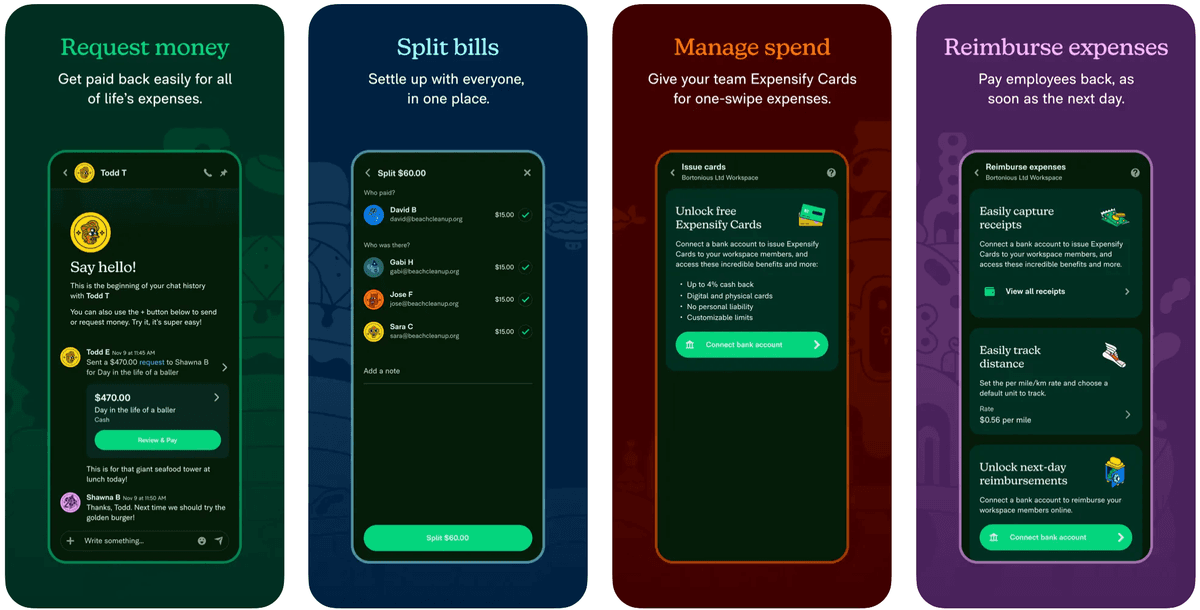
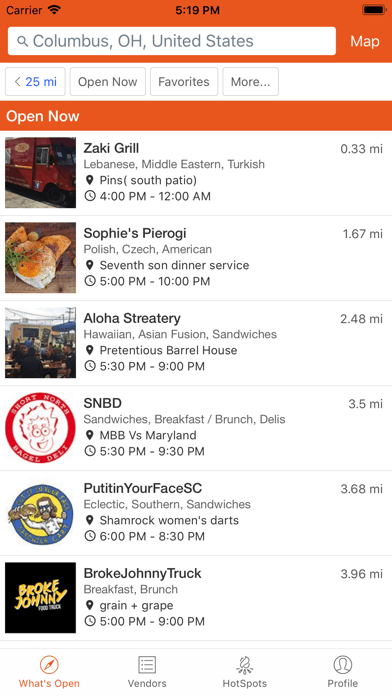
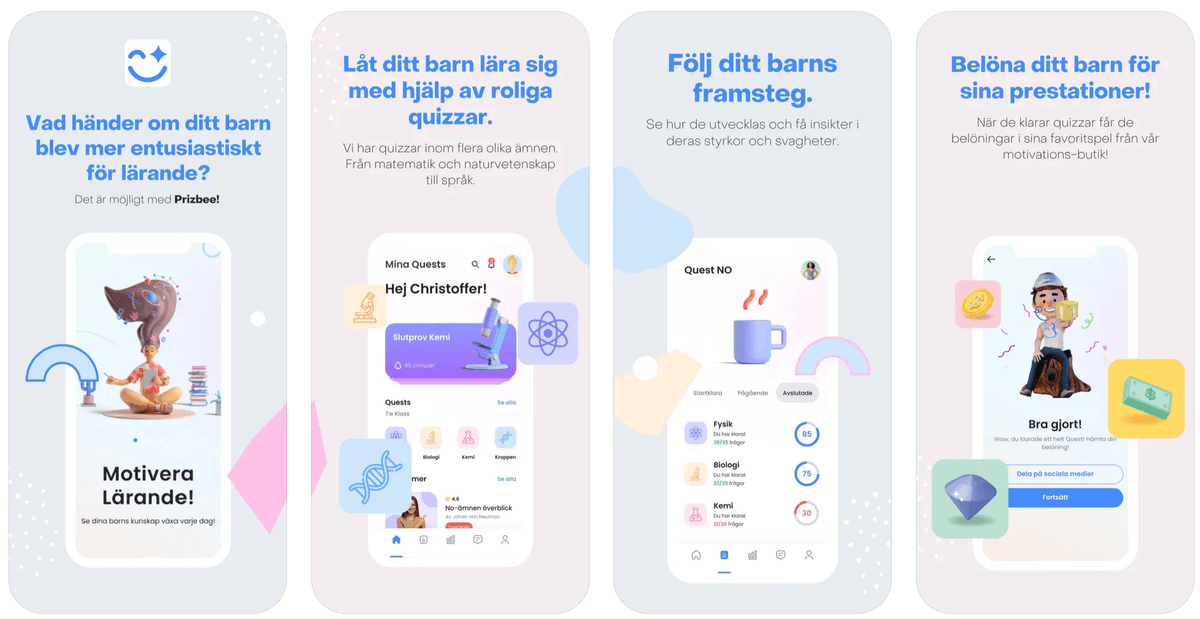
Mobile app development with me runs $25K–$200K depending on scope: a focused single-purpose app sits at the low end, while multi-platform products with payments, offline support, and backend infrastructure fill the top. I have 20+ App Store launches, I'm Top Rated on Upwork with $100K+ earned and verified client reviews, and my apps have been used by millions of users. Engagements run on milestone demos — you see working builds on your own phone every week or two, and you own the repository from day one.
Buying app development goes wrong in predictable ways: vague scope priced with false precision, months of invisible progress, and a 'finished' app that's never survived store review or a real device lab. This service is structured against those failures — locked scope per milestone, TestFlight builds you hold in your hand, and store-readiness treated as engineering rather than an afterthought.
Weekly demos, async Slack updates, production standards.
04
Ship
Store launch, documentation, knowledge transfer.
Engagements this covers
From Figma to the App Store
A team has finished designs and a validated idea but no engineering. I turn the designs into a production React Native app — auth, payments, push, analytics — and carry it through store review on iOS and Android. The outcome is a launched app matching the designs, plus crash monitoring and a release pipeline so version 1.1 ships in days, not months.
Modernizing an aging app
An app built years ago is crashing more each OS release, and its original developers are gone. I audit the codebase, stabilize the worst crash paths first, then modernize incrementally — dependencies, deprecated APIs, brittle screens — while the app stays live in stores. The outcome shape: crash-free rates back above target and a codebase current hires can work on.
Scaling an MVP into a real product
A scrappy MVP found traction and now its shortcuts are the bottleneck: no tests, manual releases, mystery crashes. I add CI/CD with automated store deployment, testing on the critical paths, analytics that answer product questions, and refactoring where change is hardest. The outcome is a release cadence of days instead of weeks, with regressions caught before users see them.
What a well-run app project looks like week by week
The first week or two are discovery and scope-lock: user flows mapped, the feature list split into launch-critical versus version-two, and a milestone plan with acceptance criteria you can hold me to. Ambiguity discovered in week one costs a conversation; discovered in week ten, it costs a milestone.
From then on, the rhythm is fixed: a TestFlight or internal-track build on your device every one to two weeks, each milestone demoed as working software. The final weeks before submission are hardening — device-lab testing across cheap Android hardware and old iPhones, store assets, review-guideline compliance, crash reporting, and analytics. Store review is days when prepared for and weeks of resubmission roulette when it isn't.
What moves the price from $25K to $200K
Feature weight comes first: auth and profiles are table stakes, but payments and subscriptions, chat, offline support, media upload, and maps each carry real backend and edge-case cost — offline sync in particular is routinely the most underestimated item on any estimate. Backend need is the second lever: an app over existing APIs is far cheaper than one whose backend must be built alongside it.
Design maturity matters more than buyers expect — finished designs versus 'we have a rough idea' can swing cost by a third. Add compliance regimes (health data, minors, finance) and launching both platforms with full store polish, and you've described the difference between a $25K focused app and a $200K product.
Red flags when hiring app developers
Walk away from fixed quotes delivered against vague scope — precision about an undefined thing is a sales tactic, and the missing definition returns later as change orders. Demand store links: developers who can't point to live apps they've shipped have never crossed the review process, device fragmentation, and release management that separate demos from products.
During the engagement, insist on builds on your own device every week or two and repository access from day one. 'It works on my machine' demos and end-loaded reveals hide velocity problems until the budget is spent. And check who owns the code and the developer accounts — apps published under an agency's account become hostages when the relationship sours.
Cross-platform or native: the actual decision
React Native covers the overwhelming majority of consumer and business apps — one codebase shipping to both stores at near-native quality, with faster iteration and roughly one budget instead of two. Companies with enormous engineering budgets ship on it; the framework is not the constraint people remember from 2018.
Native earns its double cost in specific cases: heavy real-time audio or video processing, AR, demanding on-device ML, games, or apps whose identity is platform-specific interface polish. The decision test I use: list the five hardest things your app does, and check whether any genuinely stresses the platform. If not — and usually it's not — cross-platform, and spend the second-codebase budget on making the product good.
What happens after launch, and why it's budgeted
The most common budgeting mistake in app development is spending everything reaching version 1.0, as if launch were the finish line. It's the starting line: real users on real devices surface crashes no lab caught, OS releases every autumn break something, store policies shift, and reviews need responses. An app with zero post-launch budget visibly decays within a year.
Plan for an ongoing envelope — a sensible rule of thumb is meaningful monthly capacity for the first few months, then a maintenance rhythm. My engagements end with the machinery that makes this cheap: crash monitoring wired to alerts, CI/CD that makes a fix a one-day ship instead of a project, and a release runbook your team can execute without me.
Low-risk to start
✓Fixed-scope proposal first
You approve milestones and a price before any build starts — no open-ended hourly surprises.
✓Working demos every week
You see running software each week, not status reports, so you can course-correct early.
✓One senior owner, no hand-offs
The person who scopes the work is the person who builds it — no junior layers, no agency markup.
✓A track record you can verify
Top Rated on Upwork with public client reviews and $100K+ earned, plus contributions to Expensify. Check the receipts before you commit.
How much does mobile app development cost in 2026?
Serious production apps run $25K–$200K. A focused single-purpose app with auth over an existing backend sits at $25K–$50K. Payments, chat, offline sync, a new backend, both platforms with full store polish, and compliance requirements each add real cost, with complete products landing $80K–$200K. Quotes far below this range typically price a demo, not a product — the store-readiness, device testing, and release infrastructure are what's missing.
How long does it take to build and launch a mobile app?
Eight to twenty-four weeks depending on scope. A focused app over existing APIs can reach store submission around week eight to ten; products with payments, offline support, or a new backend run four to six months. You should be holding TestFlight builds within the first month regardless — a vendor with nothing installable after six weeks is a schedule problem announcing itself early. Store review adds days when prepared for properly.
Should I build my app in React Native or native iOS and Android?
React Native, unless your app's core involves heavy real-time media processing, AR, demanding on-device ML, or gaming. For the standard product shape — feeds, forms, payments, chat, maps — cross-platform delivers both stores from one codebase at near-native quality for roughly half the long-term cost of two native teams. The honest test: if you can't name the specific native capability you need, you don't need native.
How much does mobile app development services typically cost?
Projects typically fall in the $25K–$200K range depending on scope, integrations, and timeline. I provide a fixed-scope proposal after a 30-minute scoping call.
How long does a mobile app development services project take?
MVPs often ship in 8–12 weeks. Production systems with AI backends or RAG may run 12–20 weeks. Rescue and audit engagements can start within days.
Do you work with startups and enterprises?
Yes. I work with founders, CTOs, product teams, and agencies worldwide — US, UK, EU, and APAC time zones with async updates and weekly demos.
Can you own mobile and backend together?
Yes. I specialize in React Native + Python (FastAPI) + AI (RAG, agents, OpenAI/Claude) under one senior owner — fewer handoffs, faster shipping.
How do I get started?
Book a free 30-minute scoping call on this site, hire through Upwork, or email dhairyasenjaliya@gmail.com with your brief and timeline.