Hiring an OpenAI integration developer for a production feature typically costs $15K–$80K — the low end for a single well-scoped AI feature in an existing product, the high end for AI woven through a product with streaming, structured outputs, evals, and cost controls. I do this work directly, with 7+ years of production delivery, a Top Rated Upwork profile with $100K+ earned and verified client reviews, and 20+ App Store launches, so the integration lands in real shipping software rather than a notebook. Engagements begin with a short technical scoping call and a fixed first milestone, usually the core feature behind a flag with an eval harness, so you see working software within weeks.
Calling the OpenAI API takes an afternoon; making it a feature your customers rely on takes engineering — structured outputs that never break your UI, streaming that feels instant, retries and fallbacks for the API's bad days, and a cost model that survives success. This service covers that gap. Delivery succeeds when the AI feature is held to the same reliability bar as the rest of your product.
Weekly demos, async Slack updates, production standards.
04
Ship
Store launch, documentation, knowledge transfer.
Engagements this covers
AI feature inside an existing SaaS
A B2B SaaS wants document summarization and smart drafting inside its core workflow. I design the prompt and structured-output contracts, build the API layer with retries, timeouts, and content-safety handling, and wire streaming into the existing frontend. The feature ships behind a flag with per-customer cost tracking, so finance knows exactly what each account costs to serve.
Mobile app with a streaming AI experience
A consumer app team wants a conversational AI feature but their prototype freezes on slow networks and drains tokens. I rebuild the integration with server-side orchestration, token streaming to the mobile client, response caching for common queries, and graceful degradation when the API stumbles. The result feels native and instant instead of like a webview wrapped around a demo.
Prototype-to-production rescue
A team shipped an AI feature built during a hack week: prompts hard-coded in the frontend, no versioning, no evals, costs climbing weekly. I move the integration server-side, add structured outputs and a prompt registry, build a regression eval suite from real traffic, and cut token spend with caching and model routing — same feature, now maintainable and often cheaper to run.
What production integration involves beyond the API call
The API call is maybe five percent of the work. The rest: structured outputs with schema validation so a malformed response never crashes your UI; streaming architecture so users see tokens immediately instead of staring at a spinner; retry and fallback logic for rate limits and the provider's occasional bad hours; a prompt registry with versioning so changes are reviewable and revertible like any other code; and an eval suite that catches quality regressions before your customers do.
Then the unglamorous layer that separates products from demos — per-feature and per-customer cost attribution, latency budgets, moderation handling for user-generated input, and graceful degradation when the model is down. Every one of these is invisible when present and a fire when absent. Pricing an integration without them is how teams end up hiring twice.
A typical engagement timeline
Week one is scoping: I map the feature to specific model capabilities, define the output contracts your product needs, and set latency and cost budgets — numbers, not aspirations. Weeks two through four build the core: server-side integration layer, prompt development against a starter eval set, streaming into your actual UI, and the feature running behind a flag on staging.
Weeks five and six harden it: failure injection, load-aware rate limiting, cost dashboards, and expanding evals with real usage from an internal beta. Larger engagements toward the $80K end repeat this loop per feature or add complexity like tool calling, multi-step chains, or fine-tuned models — but the cadence stays the same: something reviewable ships every two weeks, and quality is measured, not asserted.
What drives cost from $15K to $80K
Feature count and depth set the baseline: one summarization endpoint is $15K territory; AI woven through five surfaces of your product with shared infrastructure is not. Output criticality is the second driver — a feature that drafts text a human edits tolerates more model error than one that populates fields other systems consume, and the second needs far more validation and eval coverage.
Third is integration context. Dropping into a clean, modern codebase with good deployment practices is fast; threading AI through a legacy system with no staging environment costs real time. Finally, traffic scale: features serving millions of requests need caching layers, model routing between price tiers, and cost engineering that a low-volume internal tool can skip. Token spend itself is an operating cost you should model, but it is rarely what makes the build expensive.
Controlling token spend before it controls you
The classic failure: the AI feature works, usage grows, and three months later finance asks why the OpenAI bill has a comma in it. Cost control is an architecture decision made at build time, not a cleanup task. The levers: response caching for repeated or near-repeated queries, which routinely cuts spend dramatically for common workloads; model routing, where a cheap fast model handles the easy majority and the expensive model only sees hard cases; prompt compression, because verbose system prompts are a tax on every single request; and hard per-customer budgets so one power user or one bug cannot torch a month's margin overnight.
Just as important is attribution — spend broken down per feature and per customer. Without it you cannot price your product correctly, and AI features priced blind are how healthy gross margins quietly disappear.
How to vet an OpenAI integration developer
Ask to see the failure handling from their last integration — specifically, what the user experienced when the API returned a 429 or an outage hit. Anyone who has run this in production answers instantly; anyone who has not changes the subject to prompt tricks. Ask how they version prompts and catch quality regressions: the right answer involves an eval set and a process, not "we test it manually." Ask what the feature costs to serve per user, because a developer who cannot answer that for past work will not manage it for yours.
Be wary of candidates whose portfolio is entirely demos and tutorials, however polished — the skills that matter here are boring production skills applied to a new API surface. Strong general backend engineers who have shipped one real AI feature beat AI-specialist prompt tinkerers who have shipped none.
When you do not need to hire for this
If you are validating whether users even want an AI feature, do not hire anyone yet — a scrappy internal prototype built by your existing team in a week answers that question, and I would tell you the same on a call. Similarly, if your use case is fully covered by an off-the-shelf product — a support widget, a writing assistant — buying beats building at your scale.
Hire when the prototype has proven demand and now needs to survive real traffic, real costs, and real customer expectations; when AI is becoming a core differentiator rather than a checkbox; or when the hack-week version is already in production and quietly accumulating risk. The wrong time to bring in an integration specialist is before validation; the expensive time is six months after you needed one.
Low-risk to start
✓Fixed-scope proposal first
You approve milestones and a price before any build starts — no open-ended hourly surprises.
✓Working demos every week
You see running software each week, not status reports, so you can course-correct early.
✓One senior owner, no hand-offs
The person who scopes the work is the person who builds it — no junior layers, no agency markup.
✓A track record you can verify
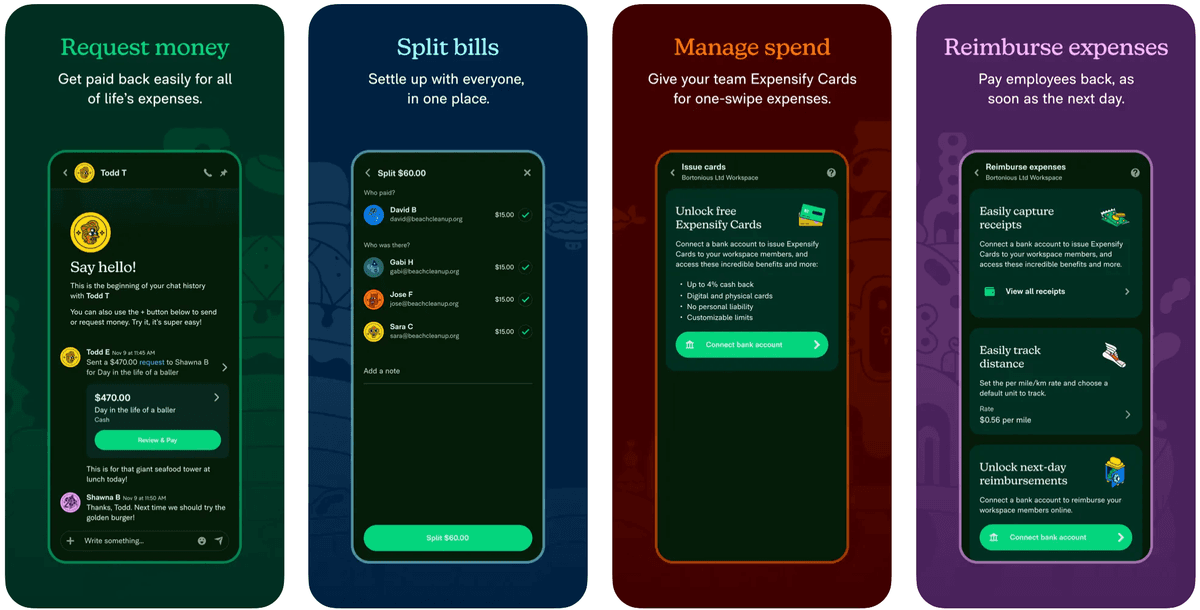
Top Rated on Upwork with public client reviews and $100K+ earned, plus contributions to Expensify. Check the receipts before you commit.
How much does it cost to hire an OpenAI integration developer?
Expect $15K–$80K for production work. A single well-scoped feature — summarization, drafting, extraction — in an existing product runs $15K–$30K including streaming, failure handling, and an eval suite. Multi-feature integrations with cost engineering, tool calling, and high traffic run $40K–$80K. Hourly specialists at $80–$150 per hour land in the same range once the full production checklist is done rather than just the happy path.
How long does an OpenAI integration take to ship?
A single production feature takes four to six weeks: one for scoping and output-contract design, two to three for the core build with streaming and failure handling, and the rest for evals, cost instrumentation, and a flagged rollout. A demo takes a weekend — the difference is everything that keeps the feature working when the API has a bad day and usage grows tenfold.
Should I build on OpenAI directly or use a wrapper framework?
For most product integrations, build directly on the API with a thin internal abstraction layer you control. Heavy frameworks add dependency churn and hide the failure modes you most need to handle. The abstraction that matters is your own: one internal module that owns prompts, retries, and model selection, so swapping providers or models later touches one file instead of your whole codebase.
How much does openai integration developer typically cost?
Projects typically fall in the $15K–$80K range depending on scope, integrations, and timeline. I provide a fixed-scope proposal after a 30-minute scoping call.
How long does a openai integration developer project take?
MVPs often ship in 8–12 weeks. Production systems with AI backends or RAG may run 12–20 weeks. Rescue and audit engagements can start within days.
Do you work with startups and enterprises?
Yes. I work with founders, CTOs, product teams, and agencies worldwide — US, UK, EU, and APAC time zones with async updates and weekly demos.
Can you own mobile and backend together?
Yes. I specialize in React Native + Python (FastAPI) + AI (RAG, agents, OpenAI/Claude) under one senior owner — fewer handoffs, faster shipping.
How do I get started?
Book a free 30-minute scoping call on this site, hire through Upwork, or email dhairyasenjaliya@gmail.com with your brief and timeline.